

For many families, the yellow school bus is just part of the daily rhythm.
It pulls up every weekday morning. The doors open. Kids shuffle on board with backpacks half zipped and hair still messy from sleep. Parents wave from the curb. Then the bus rolls away and the day begins.
Most of the time, that routine runs so smoothly that we barely think about it.
Until something goes wrong.
Maybe the bus makes a sudden stop and a child gets hurt. Maybe there is a minor crash along the route.
In those moments, parents naturally want answers right away. What happened? Was anyone injured? Where are the kids and are they safe?
While drivers and schools play an important role in keeping kids safe, parents are also an important part of the safety equation. The habits we teach our children before they even step onto the bus can make a real difference. And if an accident does happen, parents often play a key role in helping their child recover and navigate what comes next.
Let’s look at what that role can look like before and after an incident.
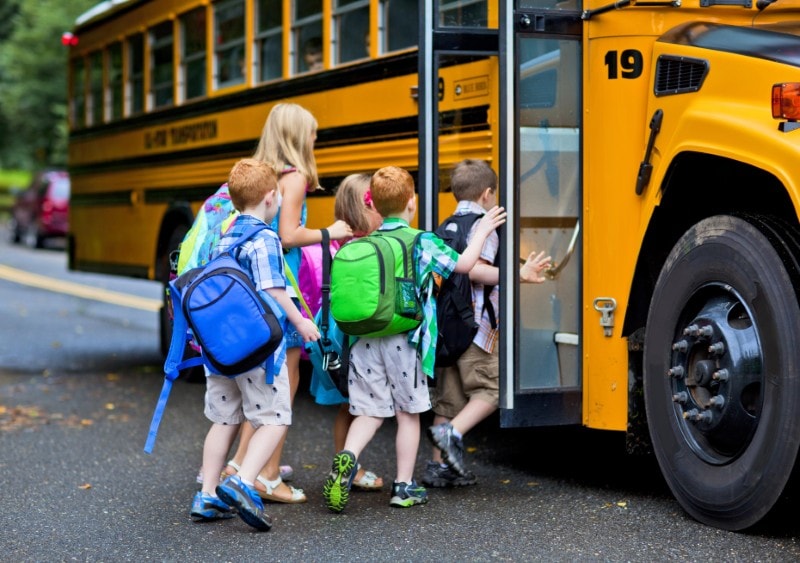
Preparing Your Child Before They Step on the Bus
Many school bus safety habits are simple. The key is repeating them often enough that they become second nature.
Start at the bus stop.
Kids should stand well back from the curb and avoid pushing or roughhousing while they wait. That might seem obvious, but busy mornings and excited kids can quickly turn into chaotic situations. A little space between children and the road gives everyone more room to react safely.
If your child needs to cross the street to reach the bus, remind them to wait for the driver’s signal before stepping off the curb. Traffic should come to a complete stop before they cross.
These reminders matter even more during challenging conditions like rainy mornings, darker winter commutes, or icy sidewalks when drivers may not see children as easily.
Once kids are on the bus, the rules stay simple.
Sit down. Stay seated. Keep the aisle clear.
When kids move around or play in the aisle, it distracts the driver and increases the chance of someone getting hurt if the bus stops suddenly or an accident if the driver is forced to take their eyes off the road.
Parents can also take a quick look at the bus stop itself from time to time. Are cars speeding past? Is the stop positioned near a blind corner or driveway? If something seems risky, it is perfectly reasonable to contact the school and ask if the location can be reviewed.
A small adjustment now can prevent a much bigger problem later.
Understanding How School Bus Safety Systems Work
Most parents never see the behind the scenes systems that support school bus transportation. That is actually a good sign. When everything works properly, it fades into the background.
School bus drivers often receive specialized training that goes beyond standard driving requirements. Buses are inspected regularly, and districts follow specific maintenance schedules.
Some school systems operate their own transportation fleets, while others hire outside companies to manage buses and drivers. This can affect who handles driver training, maintenance, and incident reporting.
Traffic safety is another major part of the system.
A bus stop is one of the most vulnerable moments during the entire route. Kids are getting on or off the bus, visibility can be limited, and impatient drivers sometimes try to pass when they should not.
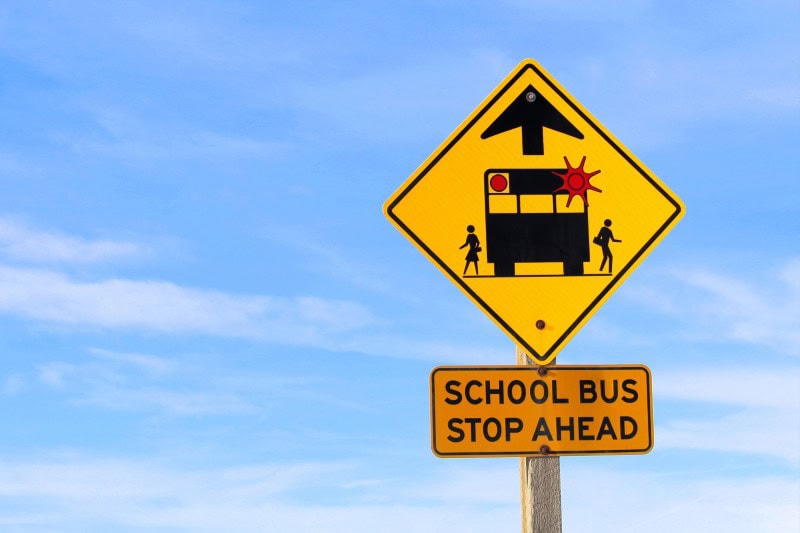
That is why buses use flashing lights and extend stop arms to signal traffic to stop.
Organizations like federal transportation agencies publish national school bus safety guidelines that help districts set standards for training, equipment, and emergency procedures. Schools then adapt those recommendations based on local conditions like weather, road layouts, and traffic patterns.

What Parents Should Do If an Accident Happens
Getting a phone call about a bus incident can feel overwhelming. In that moment, it helps to focus on a few practical steps.
First, make sure your child receives proper medical attention.
Even if everyone initially says that injuries seem minor, it is still wise to have a doctor check things out. Symptoms from head, neck, or soft tissue injuries do not always appear immediately.
Once your child has been evaluated, start gathering basic information while details are still fresh.
You might ask:
• Where did the incident happen?
• What time did it occur?
• Were police or emergency responders involved?
• Did the school create an incident report?
This does not need to feel confrontational. You are simply trying to understand what happened.
It can also help to write down what your child remembers about the event in their own words. Children sometimes recall small details that are useful later.
Keep copies of any medical paperwork and make note of missed school days or activities. Even small disruptions can add up over time.
At home, watch for changes in your child’s behavior. After a stressful event, kids sometimes experience headaches, trouble sleeping, or anxiety about riding the bus again.
These reactions are common and often temporary, but it helps to pay attention.
Why Location Matters in School Bus Accident Cases
Not all school bus incidents are handled the same way. The location of the accident can influence how investigations and follow up unfold.
Large urban school systems often have more layers of administration and more agencies involved in transportation oversight. This can sometimes make the process of getting clear answers feel slower.
For example, situations involving school bus accidents in Chicago may involve several departments depending on whether buses are operated directly by the school district or by contracted transportation companies.
In smaller communities, the process may be more straightforward. Families might interact directly with school administrators or a local transportation coordinator rather than navigating multiple offices.
Procedures can also vary depending on state laws, insurance requirements, and how transportation systems are structured.
Understanding that these differences exist can help families know what to expect as they seek information after an incident.
Helping Your Child Recover After a Bus Accident
Physical injuries are often the first concern after a crash. But emotional reactions can appear later.
Some children bounce back quickly. Others may seem fine at first and then develop fears about riding the bus again.
You might notice changes like:
• Increased clinginess
• Trouble sleeping
• Stomachaches or headaches
• Irritability or mood swings
• Reluctance to get on the bus
The best thing parents can offer is calm reassurance and consistency.
Let your child talk about what happened when they are ready. Some kids want to repeat the story several times. Others prefer to process quietly.
Both responses are normal. Finding time to teach some mindfulness with your child may be a great way to breach the topic.
If anxiety continues or begins to affect daily life, speaking with a pediatrician or school counselor can be helpful. A little extra support early on can make a big difference.

School Bus Safety Is a Shared Effort
Parents cannot control every factor that affects bus safety. Traffic conditions, road design, and other drivers are outside anyone’s control.
What we can control are the everyday habits that build safer routines.
Teaching kids how to behave at the bus stop. Checking that stops feel safe. Asking questions when something does not seem right. Supporting children if an accident happens.
Many of these habits overlap with broader family preparedness. The same mindset that helps parents build essential emergency preparedness skills for everyday life also helps families respond calmly when unexpected situations occur.
Most mornings, the yellow bus will arrive right on schedule and the routine will continue as usual.
When parents stay engaged before and after an incident, children feel that support. And sometimes that quiet confidence is one of the most important parts of keeping them safe.