

When the MEL Science box arrived, it immediately felt different from the usual STEM kits we’ve tried over the years. There was that quiet excitement that comes with knowing you’re about to build something real, not just open a toy and follow a few quick steps.
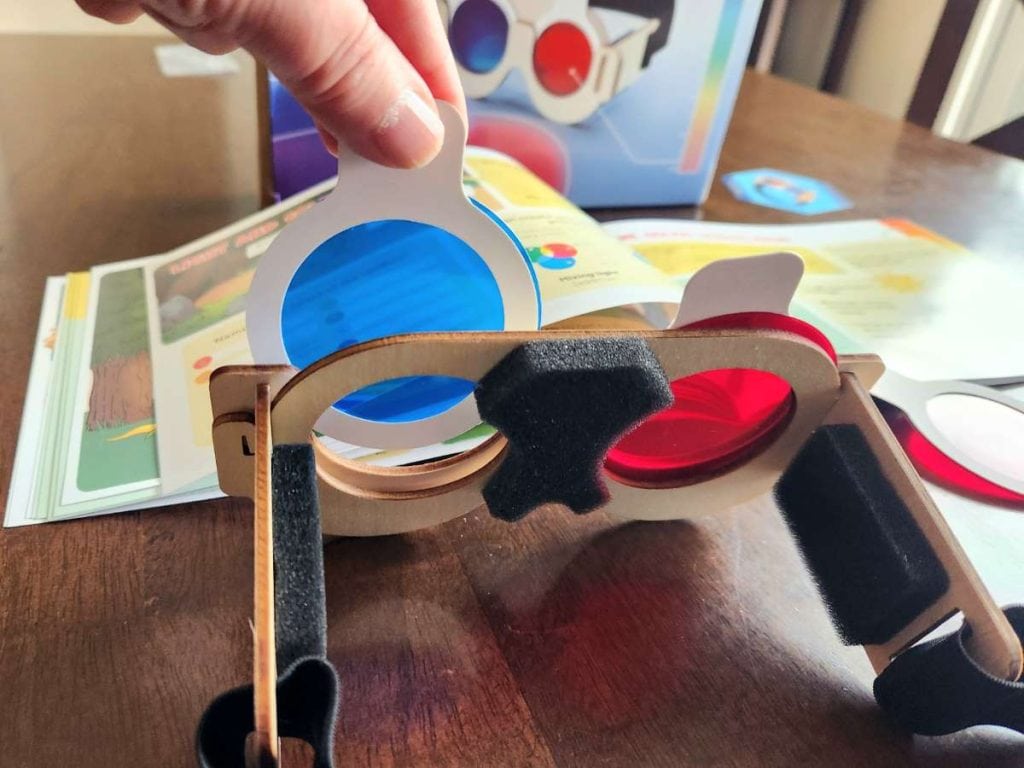
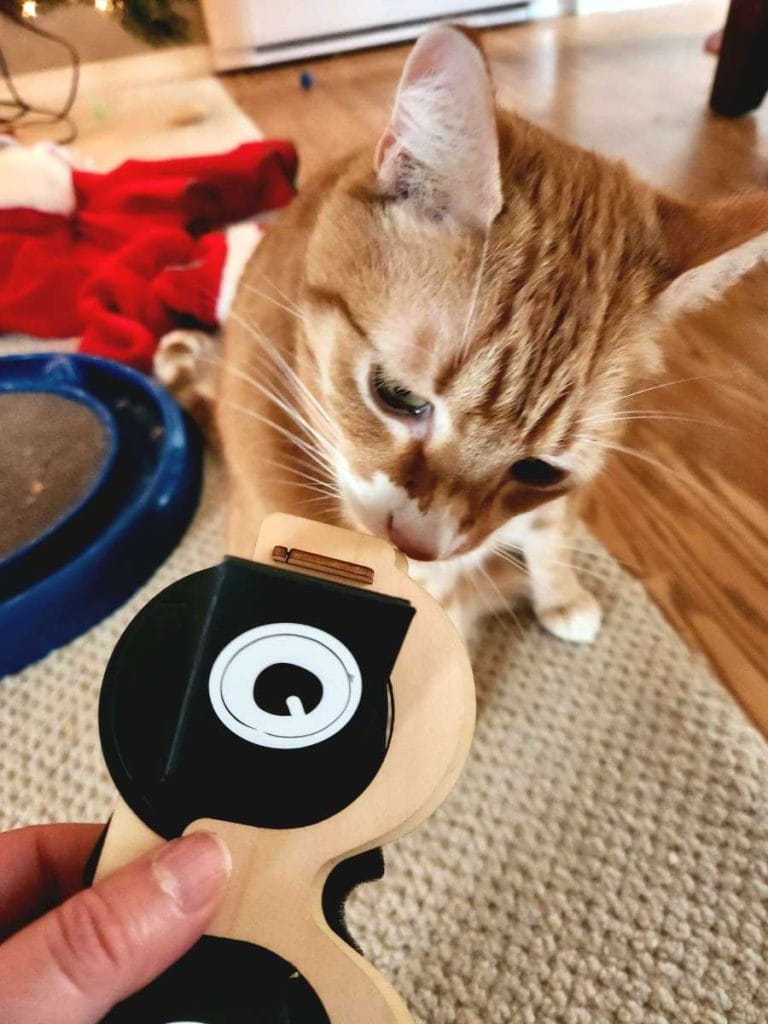
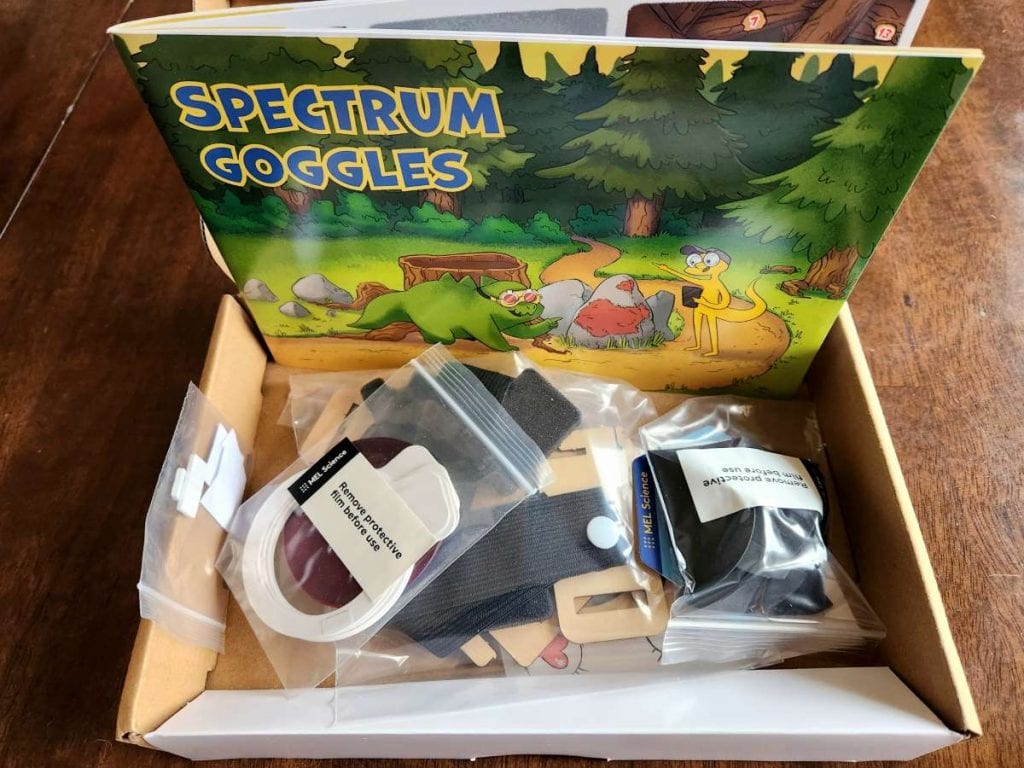
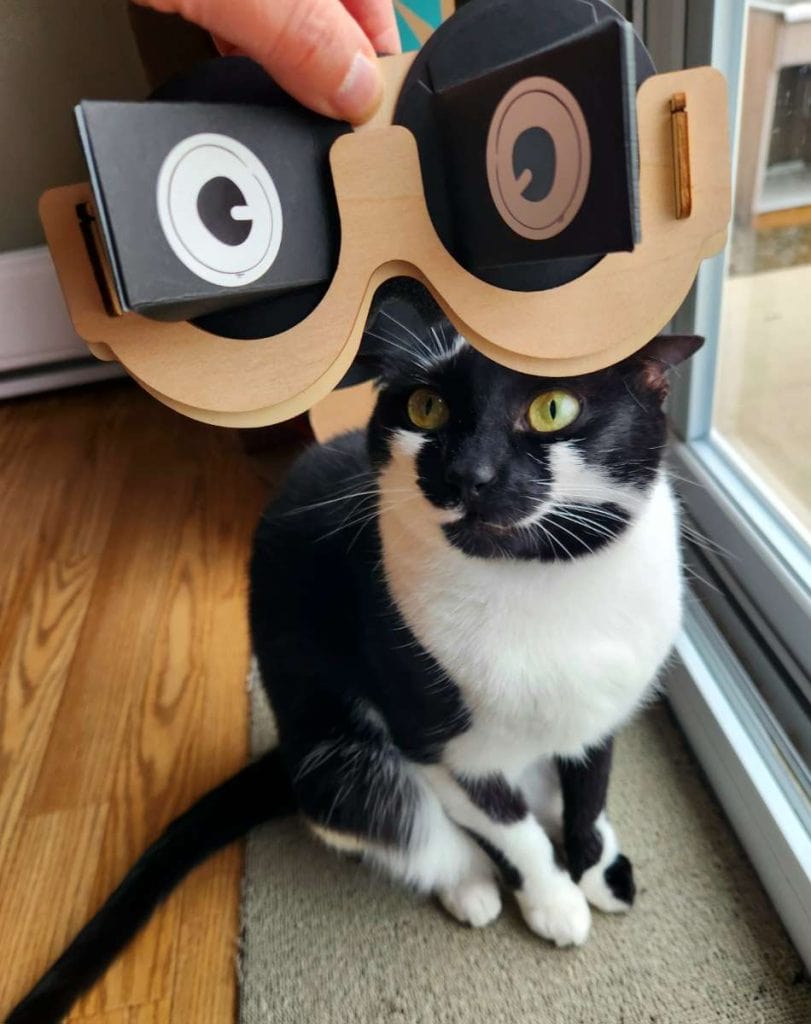
We decided to start with the Spectrum Goggles kit, spread everything out on the table, and before we even got going, our cats had already joined us. If curiosity were a subject, they’d have aced this experiment.
That moment really summed up what MEL Science does so well. It invites curiosity in a way that feels natural. You don’t feel like you’re teaching or instructing. You’re just doing, building, testing, and asking questions together.
MEL Science is currently offering 60% off new annual subscriptions. If you want to bring hands on science learning into your home, now’s a great time to start. Use code HAPPY25 and check out MEL Science today.
If that’s the kind of learning vibe you want at home, you can check out MEL Science and see which subscription kits fit your kids’ ages and interests here.
What MEL Science Is and Why It Stands Out
MEL Science is a monthly STEM subscription designed to make science hands on and engaging for kids and parents alike. With over 100 hands on science projects and more than 50 digital experiences included, it goes far beyond the idea of a single experiment in a box. Each kit is designed to help kids explore real scientific concepts through building, experimenting, and discovery.
What really stood out to me is that MEL Science doesn’t rely on flashy gimmicks. The learning happens because kids are actively involved. They’re assembling, observing, and testing ideas themselves. The Spectrum Goggles kit is just one example of how MEL Science takes big concepts and makes them feel approachable and fun.
Why We Started With the Spectrum Goggles
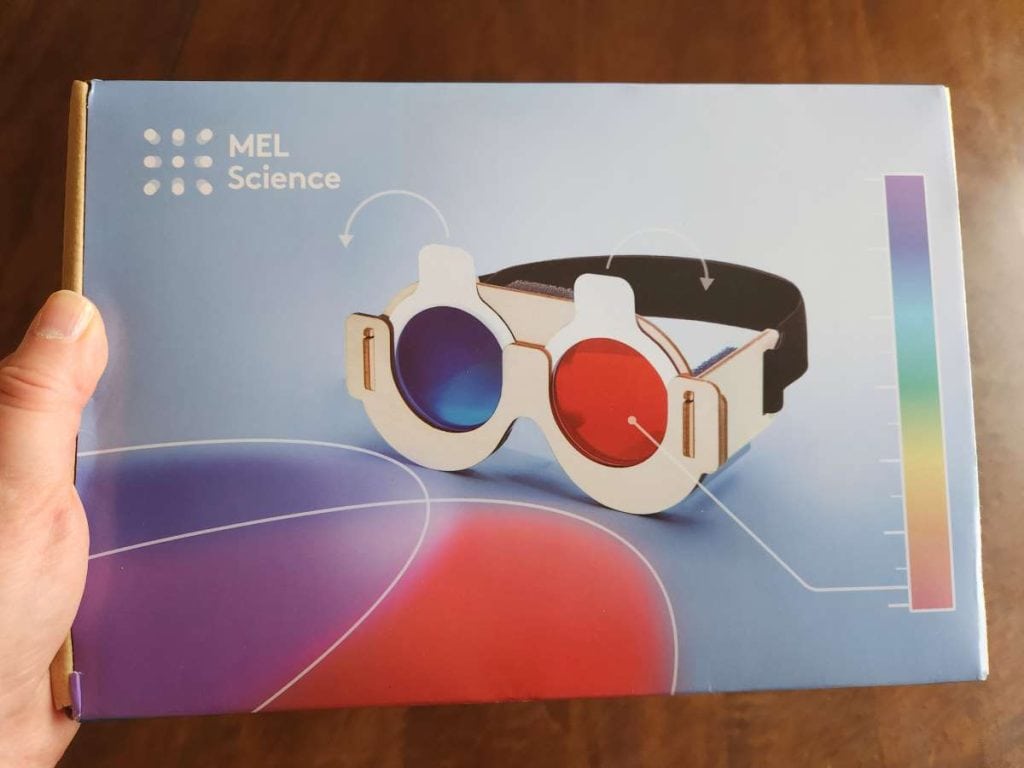
The Spectrum Goggles kit focuses on light, color, and vision. Big topics, but ones that show up everywhere once you start paying attention. What is color, how rainbows form, how 3D vision works, and how animals and insects see the world are all part of this kit’s focus.
It also promised something we love in a good science activity. A clear build process followed by experiments that actually make you say ohhh now I get it. And yes, you really do assemble real 3D goggles yourself.
What’s Inside the Kit
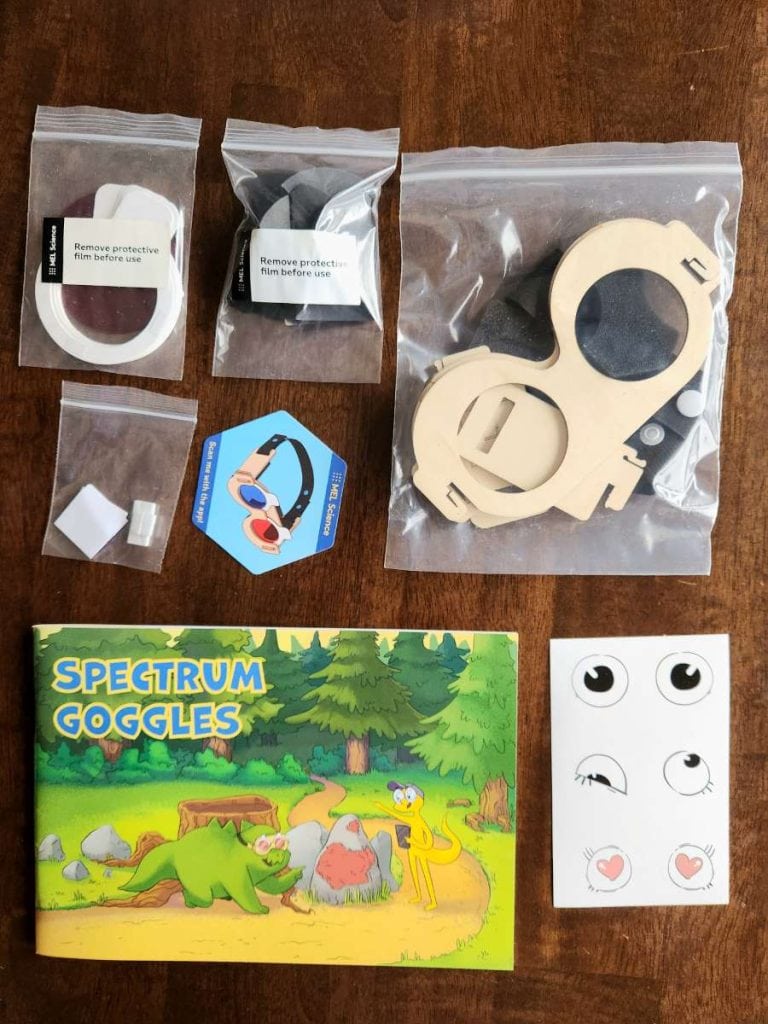
Inside the box, everything felt thoughtfully planned. The kit includes the goggle frame, elastic band, red and blue lenses, filters, mirrors, and a comic style instruction booklet that guides you through both the build and the experiments. Nothing felt random or extra. Each piece had a clear purpose, which made the whole experience feel more intentional and less overwhelming.
It’s the kind of setup that makes kids feel like they’re working with real scientific tools rather than toy versions of them.
Building the Spectrum Goggles Together
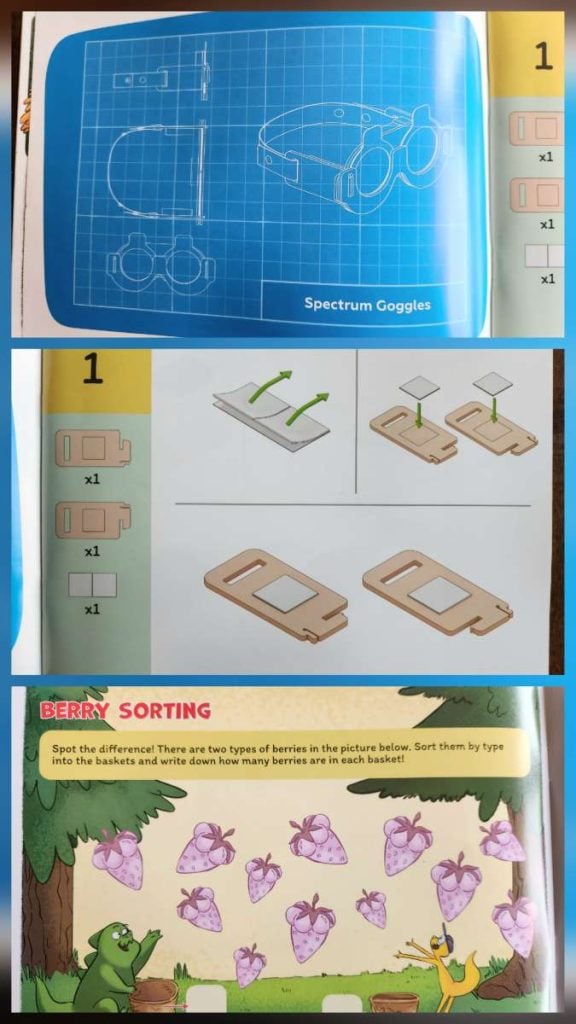
Putting the goggles together was genuinely fun. The instructions were clear and visual, and the process felt achievable without being boring. There was enough challenge to keep things interesting, but not so much that it became frustrating.
The moment we inserted the red and blue lenses was especially satisfying. It felt like assembling something that actually worked, not just snapping pieces together for show. Meanwhile, the cats watched closely, clearly convinced this was important work.
The Moment Everything Clicked
Once the goggles were assembled, the experiments really came to life. The red and blue stereopsis example was one of those lightbulb moments. Putting the goggles on and seeing how each eye processes information differently made the concept of 3D vision instantly understandable.
There are also secret messages and visual effects that only appear when you look through the goggles. That sense of discovery is where MEL Science really shines. It’s not about memorizing facts. It’s about experiencing them.
What Kids Are Actually Learning
Through the Spectrum Goggles kit, kids learn about color mixing, spectra, and how optical filters work in everyday life. They explore how humans see color differently from animals and insects, and how light behaves in ways we don’t usually notice.
What I loved most is that none of this feels forced. The learning happens naturally through curiosity and play. Kids aren’t being told what to think. They’re seeing it for themselves.
How This Kit Represents MEL Science as a Whole
The Spectrum Goggles are a great example of what MEL Science does across all their kits. Whether it’s a microscope, an earthquakes kit, a green flashlight, or something like the infinity portal, the focus is always on hands on learning and real understanding.
This kit made it clear that MEL Science isn’t about quick activities you forget the next day. It’s about experiences that stick.
Right now, MEL Science is offering a generous 60% discount for new annual subscribers. If you’ve been thinking about trying a hands on STEM subscription that actually gets kids excited about learning, this is a great time to start. Use the promo code HAPPY25 to save on an annual MEL Science plan and explore a full year of science kits delivered right to your door.
If you want to browse the full range of kits and see how the subscription works, you can explore MEL Science right here. Use code HAPPY25
Final Thoughts
Trying MEL Science at home genuinely shifted how we think about STEM learning. The Spectrum Goggles kit sparked curiosity, conversation, and a lot of excited questions, which is always a win in our house.
If you’re looking for a way to bring meaningful science experiences into your home without pressure or overwhelm, MEL Science is worth a closer look. One kit was enough to show us that this subscription is designed to help kids see science differently, and honestly, it did the same for us too.
Warmly,
Caroline