

When we think about school success, we usually picture reading levels, math skills, and homework routines. But there’s another piece that quietly affects all of it, communication. How kids understand language, express themselves, and connect with others plays a huge role in how they learn and how they feel at school.
When our son was in grade three, his teacher gently flagged something we hadn’t fully noticed yet. He was having trouble clearly pronouncing the letter L. It wasn’t affecting his grades, but it was noticeable enough that the school suggested working with a speech language pathologist who partnered directly with them.
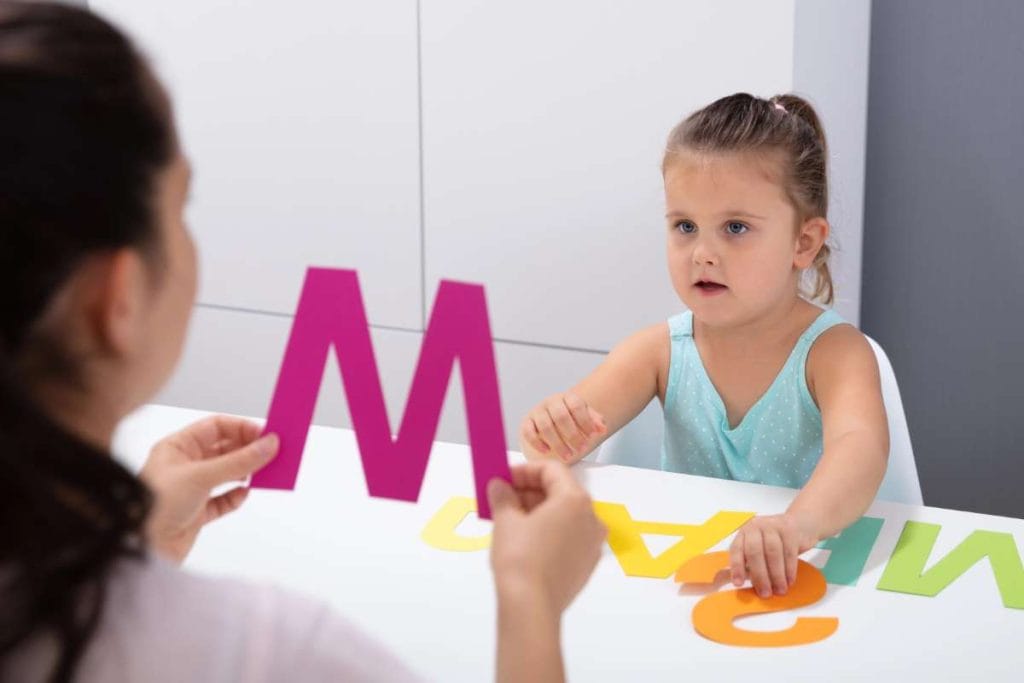
We agreed, not really knowing what to expect.
What surprised us most was how much he loved it. He went for about six months, and every week he came home talking about how fun it was. They played games. They laughed. It didn’t feel like therapy to him at all. And slowly, almost without us realizing it, his pronunciation improved. By the end of the program, the difference was clear. His confidence grew too.
That experience opened our eyes to how impactful speech language pathologists can be, not just academically, but emotionally as well.
What Does a Speech Language Pathologist Actually Do?
Speech language pathologists, often called SLPs, support far more than speech sounds. In school settings, they help children understand and use language in ways that affect learning, relationships, and confidence.
SLPs work with kids on things like vocabulary development, sentence structure, comprehension, storytelling, and social communication. They support children who struggle to express their thoughts clearly, even when they know exactly what they want to say.
They also help students with reading and writing challenges, since language skills are deeply connected to literacy. Many children with autism, ADHD, learning differences, hearing challenges, or developmental delays benefit from speech language support. Others don’t have a diagnosis at all, they just need extra help finding their voice.
Speech language pathologists usually work closely with teachers, special education teams, counselors, and families. It’s a collaborative role that looks at the whole child, not just isolated skills.

How to Become a Speech Language Pathologist
Becoming a speech language pathologist requires specialized education and clinical training. Most paths include earning a graduate degree in speech language pathology, completing supervised clinical hours, and meeting licensure requirements.
For many people, especially parents or career changers, flexibility matters. Balancing school, work, and family life isn’t always easy. That’s why some choose to explore an online SLP program as a way to complete graduate coursework while managing real life responsibilities.
Online programs can allow students to learn from home while still preparing for hands on clinical work. For families juggling busy schedules, that flexibility can make continuing education feel possible instead of overwhelming.
Why Online Education Can Be a Practical Option
Online education has evolved significantly, especially in education and healthcare adjacent fields. Many programs are designed to support adult learners who are managing real life responsibilities alongside their studies.
For parents, caregivers, or professionals returning to school later in life, online learning can reduce barriers like relocation or rigid schedules. It allows people to pursue meaningful careers while staying present for their families.
As with any education decision, it’s important to explore options carefully and choose a path that aligns with your goals and lifestyle.

Why Speech Language Support Matters in Schools
Language is at the core of learning. If a child struggles to follow directions, ask questions, or explain their thinking, every subject becomes harder.
Strong communication skills support reading comprehension, writing, classroom participation, and even math problem solving. When language challenges go unaddressed, kids may appear distracted or disengaged when they’re actually just overwhelmed.
There’s also an emotional layer. Kids who can’t express themselves clearly often feel frustrated or misunderstood. Over time, that can impact confidence and behavior. Early speech language support helps children feel capable and heard, which makes school a more positive experience overall.
At The Parent Spot, we often talk about supporting kids holistically, not just academically. Communication plays a huge role in living a healthy life, emotionally and socially, not just physically.

Signs a Child May Benefit From a Speech Language Pathologist
Parents are usually the first to notice when something feels off. Some common signs that a child might benefit from speech language support include difficulty following instructions, limited vocabulary for their age, or trouble organizing thoughts into sentences.
You might also notice frustration during reading or writing tasks, challenges with storytelling, or difficulty connecting with peers. Social communication challenges, like trouble taking turns in conversation or understanding social cues, can also be signals.
These signs don’t mean something is wrong. They simply mean a child may need a little extra support to thrive.
Who Chooses a Career in Speech Language Pathology?
Many people who pursue speech language pathology are drawn to helping professions. Some are former teachers who want to work more closely with individual students. Others are parents who’ve seen firsthand how impactful speech support can be.
It’s also a career that appeals to people who enjoy both science and connection. Speech language pathologists study language development, cognition, and communication while working directly with children and families. It’s structured work with a very human heart.
For parents exploring future career paths or education options, this field often stands out as meaningful, stable, and deeply impactful. We’ve shared before how education focused careers can offer long term fulfillment for families balancing purpose and practicality.
Explore more parenting and education topics on The Parent Spot

The Bigger Picture Helping Kids Find Their Voice
Looking back on our son’s experience, what stands out most isn’t just the improved pronunciation. It’s how supported and confident he felt during that time. Speech language pathologists helped him learn, but they also helped him feel capable.
That’s the heart of this work. SLPs help kids communicate, connect, and participate more fully in school and life. Their impact reaches far beyond the classroom.
Whether you’re a parent learning about available supports or someone considering this career path, speech language pathology is about helping children find their voice and trusting that when they do, everything else becomes a little easier.