

Neighborhood bike rides are one of those simple childhood joys that still matter. They get kids outside, build confidence, and turn ordinary streets into places for adventure. At the same time, most parents want those rides to feel calm and safe, not stressful or filled with constant reminders.
A few thoughtful choices can make a big difference. With the right routes, habits, and gear, neighborhood bike rides can feel safer, more predictable and enjoyable for both kids and parents.
Start With Quieter Routes Kids Can Handle
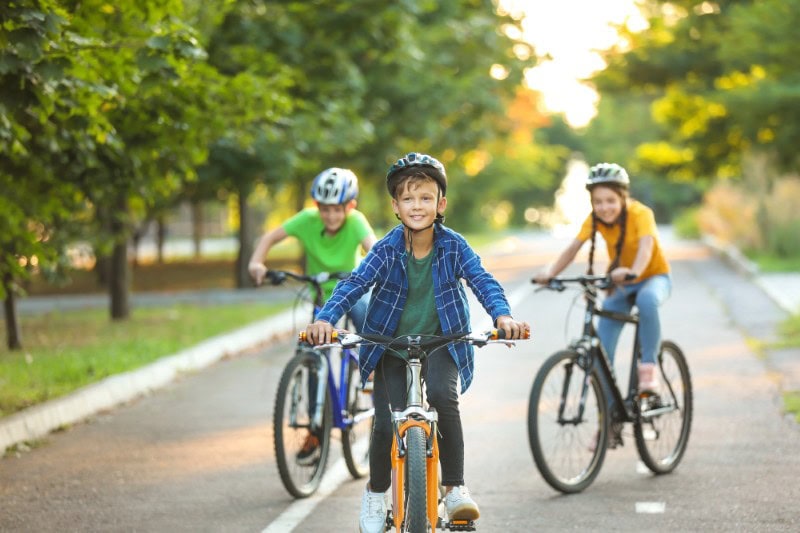
Not every street in a neighborhood feels the same. Some are calm and predictable, while others have more traffic, parked cars, or blind corners.
Taking a short walk or ride ahead of time helps parents spot which streets feel easier for young riders. Short residential blocks are often ideal since kids can focus on balance and steering instead of reacting to busy intersections. Parks, school lots at night or on weekends, and shared paths also make great practice areas, especially for beginners.
Returning to the same familiar routes helps kids settle into a rhythm. Familiarity builds confidence, and confidence leads to smoother, safer rides.
Help Kids Learn What to Watch For
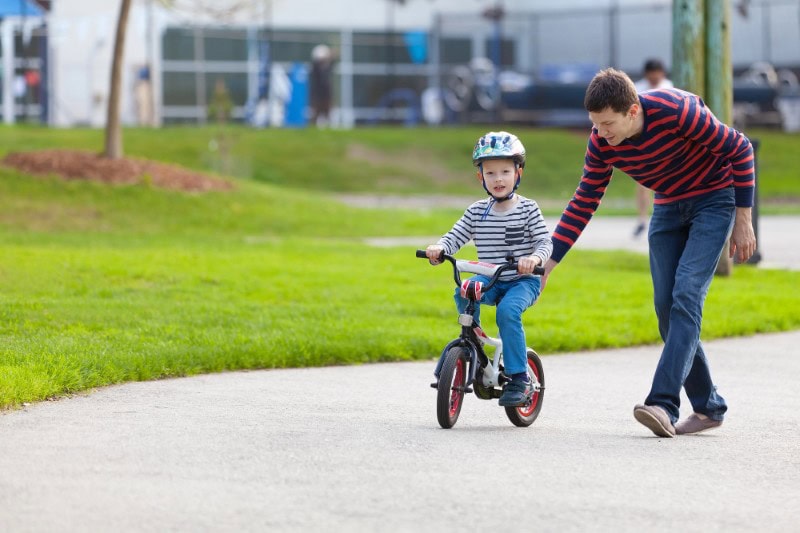
Young riders don’t always notice potential hazards on their own. Pointing out driveways, parked cars, hedges, and corners helps kids understand where surprises can pop up.
Encouraging children to slow down near busier areas or places where neighbors walk their dogs builds awareness without turning rides into lectures. Over time, these reminders become instincts. Riding starts to feel less overwhelming and more natural.
Make Sure Bikes and Helmets Actually Fit
A properly fitted bike makes a noticeable difference in how kids handle turns, brakes, and uneven pavement. Quick checks on seat height, handlebar reach, and tire pressure can help kids feel more stable and in control.
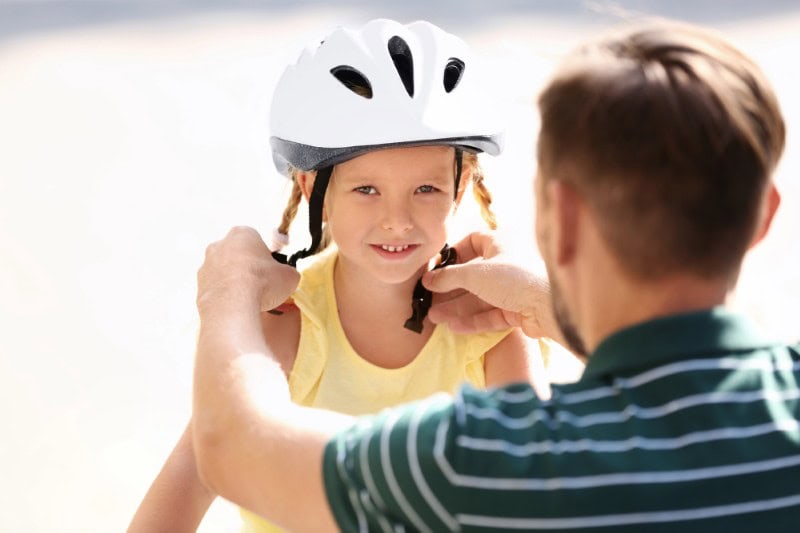
Helmets matter just as much. They should sit level on the head, with straps forming a snug V under each ear. Parents who want guidance on fit can check trusted health resources such as the CDC, which explains how to choose and adjust protective gear. Comfortable, well-fitted gear helps kids feel ready to ride farther and with more confidence.
How Neighborhoods and State Policies Affect Bike Safety
Bike safety looks very different depending on where families live. Some cities invest heavily in protected bike lanes and traffic calming measures, while others rely more on residential street design.
Chicago, for example, has added more protected lanes in recent years, giving kids more space away from fast-moving cars. Minneapolis and Portland take similar approaches by connecting quiet streets and bike-friendly routes. In contrast, areas with rapid growth and heavier traffic, including parts of Texas or Florida, can feel more challenging for young riders.
State policies also play a role. California requires helmets for riders under 18, while some Midwestern states leave those decisions to local communities. Colorado invests in neighborhood traffic calming, and Washington supports Safe Routes to School plans that encourage safer travel paths for kids.
These differences shape how families prepare for bike safety and what they expect from local resources. They also help explain differences in Chicago support for injured young riders compared with cities like Minneapolis or Portland, where infrastructure and planning choices affect the conditions kids ride in every day.
Set Clear, Simple Expectations Before Riding
Kids feel more relaxed when they know what’s expected before they head out. Clear guidelines about where they can ride and which streets to avoid help create routines they can follow independently.
Some families choose specific corners or meeting spots where kids should stop and check in. These small agreements give children structure while still allowing them to explore their neighborhood with growing independence.
Use Neighborhood Spaces for Low-Pressure Practice
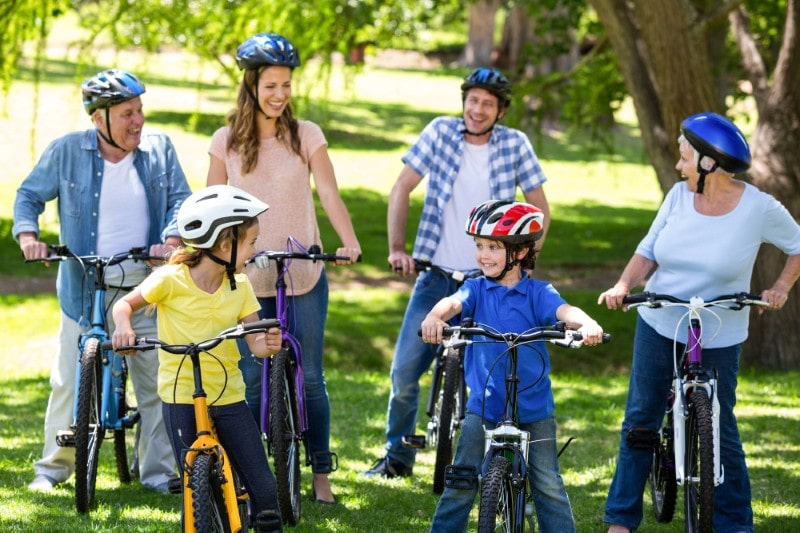
Many neighborhoods offer great practice spaces if you know where to look. Parks, quiet loops, and school parking lots provide room to practice braking, turning, and balancing without constant distractions.
Riding during calmer times of day, like early morning or late afternoon, can make a big difference for beginners. Parents looking for more ideas can explore this set of suggestions, which offers ways to help kids build confidence, stamina, and comfort while biking. Regular practice in open spaces helps riding feel easier and more fun over time.
A Simple Way to Make Bike Rides Part of Everyday Life
Neighborhood bike rides don’t have to feel complicated to be safe. Choosing quieter streets, helping kids notice their surroundings, and spending time practicing in low-traffic areas all support steady confidence building.
As these habits become routine, bike rides start to feel easier and more enjoyable for everyone. What begins as short practice loops can turn into a regular family rhythm that kids look forward to.