

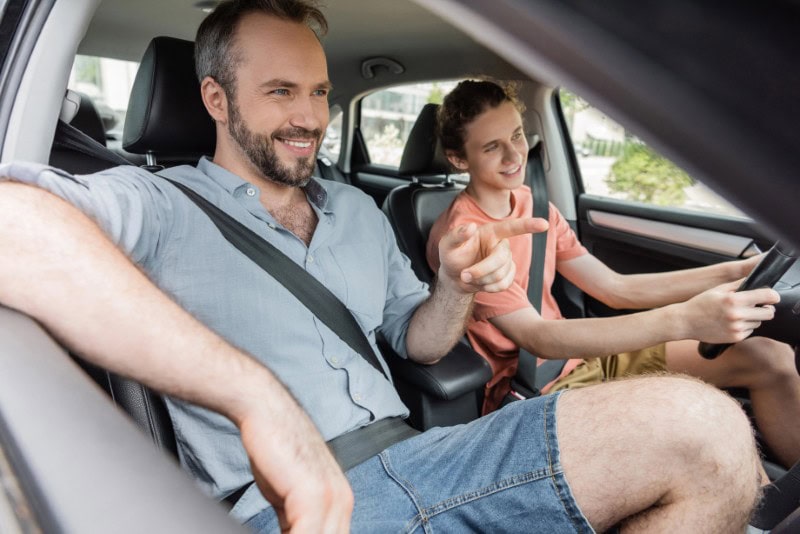
For teens, getting on the road feels like freedom. All too quickly they’re leaving their bikes behind and walking in the door with a drivers license in hand. Suddenly, they’re moving through the world on their own terms at a faster pace than we ever expected and we’re scrambling to teach them road safety.
As parents, our instinct is to repeat the classics: watch your speed, stay focused, pay attention and don’t text while driving. All good advice but it’s not quite enough.
Road safety isn’t just about rules. It’s about understanding how risk actually works and how easy it is for assumptions to turn into mistakes. It’s just as important to understand why others drivers behave as they do as it is to know good lane placement or how closely to follow the vehicle ahead.
Studies show that teens are more likely to follow safety rules when they understand why risks happen, not when they’re just warned about consequences. So instead of leaning into fear, the goal is to pair information with real world decision making. Calm awareness beats panic every time.
Caution Beats Assumptions
One of the most important things teens need to learn is how often drivers make certain assumptions and how dangerous that can be.
Motorcyclists, for example, are often assumed to be driving faster and more reckless, even when they often aren’t however they are often quicker to react or switch lanes when the opportunity presents itself.
Speed is another big one. Speeding causes many accidents, but judging speed visually can be tricky for some people.
Road quality, vehicle size, the weather and distance all affect perception. That’s why, in accident cases, professionals like a speeding motorcycle accident lawyer are sometimes asked to explain how speed is actually determined. This isn’t about knowledge or skill, it’s about understanding how road misunderstandings happen.
Smaller vehicles often appear farther away and slower than they really are. That’s how crashes happen when someone turns or changes lanes based on a wrong assumption. Bigger vehicles seem slower however they’re generally just slower to react since they don’t have the same field of vision to see what’s happening around them.
If your teen drives a car, teach them to pause just a moment longer before turning or merging. That half second pause can mean a safe turn.
If they ride a motorbike, teach them defensive riding, even when they technically have the right of way. Their quick handling and smaller stance means other drivers are often not seeing them even though they’re right there.
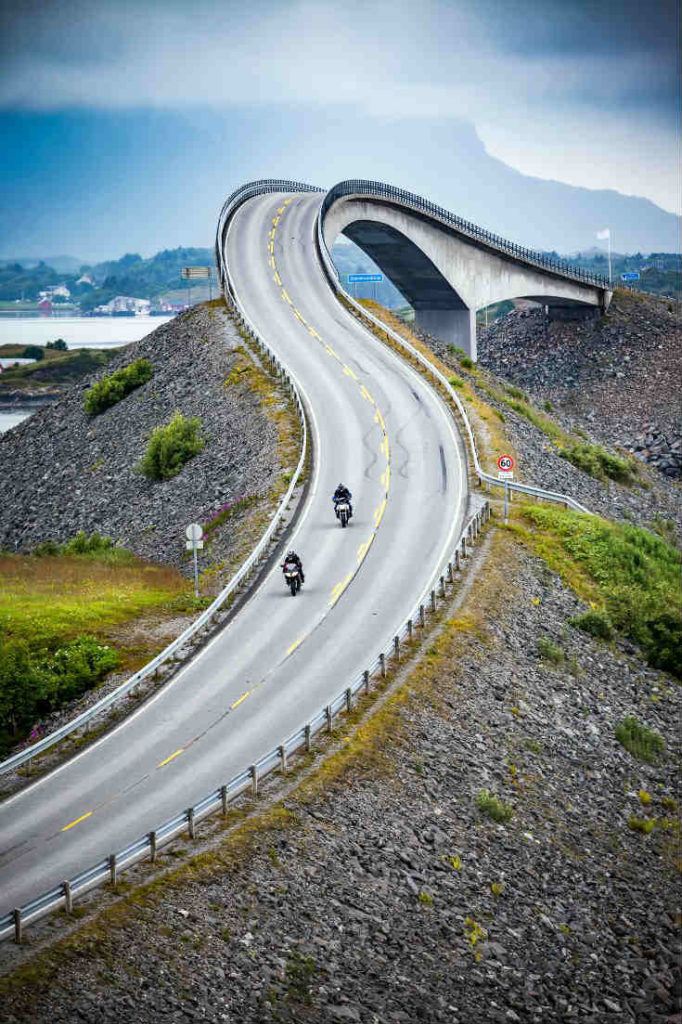
Vehicle communication on the road is limited. You can often only read the situation by observing other vehicles lights, signals and positioning. That’s it. For new drivers especially, it’s easy to misread what someone else intends.
Your teen needs to know that their intentions aren’t always obvious to others. Doing everything right doesn’t remove uncertainty. Awareness matters more than confidence.
What to Focus on When Talking With Your Teen
Talking about road safety without creating anxiety is a balancing act. You want them cautious, not frozen with fear. Avoid character judgments or vague warnings. Focus instead on real situations and realistic responsibility.
The teenage brain is still developing, especially when it comes to situational awareness and split second decisions. Let your teen know you trust them as a person, but that their skills are still growing. Experience makes a difference.
Statistics back this up. Drivers aged 16 to 19 have crash rates per mile driven that are about four times higher than drivers 20 and older. It’s not about reflexes or intelligence. It’s about experience.

Instead of saying slow down or don’t be reckless, try something like: even good drivers miss things when they’re new, so practice watching and anticipating.
Also talk about system factors that are out of their control. Other drivers’ behavior. Visibility. Night driving. Weather. Intersections. Unfamiliar or busy roads.
Why Road Safety is More Than Just Learning Signs and Speed
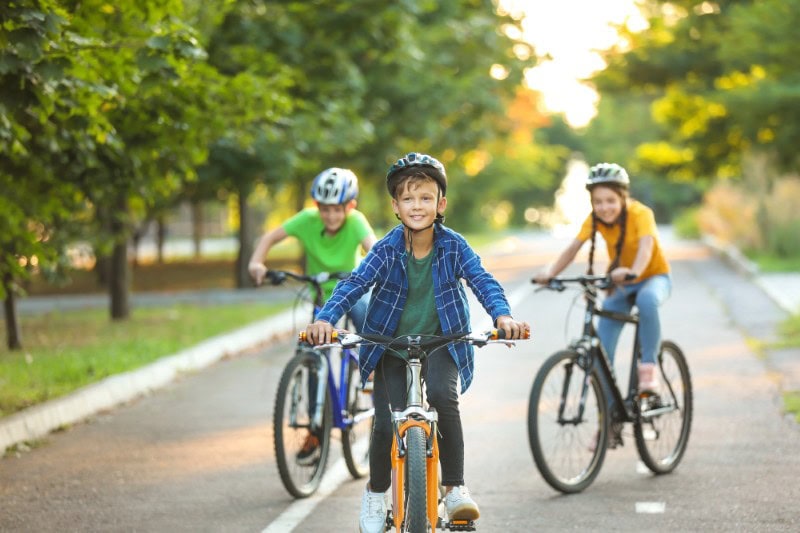
Practical habits matter, whether they’re in a car, on a motorbike, or on a bike:
- Make yourself visible
- Leave extra space
- Adjust speed to conditions, not just limits
- Expect less reaction time in low light
And while scare tactics usually backfire, teens often respond to concrete consequences they can actually picture. Tickets, violations on their record, driving restrictions, extra supervision, and higher insurance premiums they may have to help pay.
Frame these as practical and financial realities, not punishments. Small decisions add up.
This isn’t a one and done conversation. Road safety is ongoing learning. Over time, teens begin to see rules as tools that protect them, not restrictions imposed by adults.
For more on accidents and real world driving risks, see
https://www.theparentspot.com/travel/staying-safe-on-the-road-in-canada-some-helpful-tips-for-road-safety/
And if your teen is riding on the road, especially with newer options, this guide on safety for when riding on roads is helpful:
https://www.theparentspot.com/tech/electric-scooter-for-teenager/