

Not every home is blessed with bright, direct sunlight streaming through oversized windows. In fact, most family homes have at least a few rooms that feel a little dim. Think basement playrooms, north-facing bedrooms, busy kitchens with small windows, or that corner of the living room that never seems to get enough light.
The good news? You don’t need a sun-soaked space to enjoy greenery. Some of the best houseplants for low light are surprisingly hardy, beautiful, and incredibly forgiving.
If you’ve ever bought a plant only to watch it slowly decline in a shadowy corner, this guide is for you.
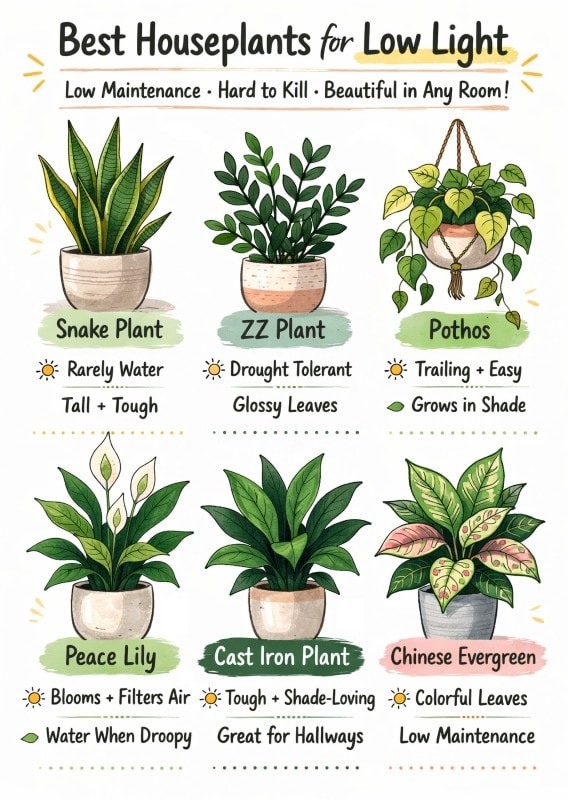
What Does Low Light Actually Mean?
Before we jump into plant picks, let’s clarify something.
Low light doesn’t mean no light. All plants need some light to survive. Low light usually refers to:
- North-facing windows
- Rooms with small or partially blocked windows
- Spaces several feet away from a window
- Offices with mostly artificial light
If you can comfortably read a book in the space during the day without turning on a lamp, you likely have enough light for low-light plants.
If you love greenery but struggle to keep plants alive, you might want to explore curated collections of the best houseplants for low light that are specifically chosen for dimmer environments. Some retailers even match plants to your lighting conditions to take the guesswork out of it.
Need inspiration? Here are the best houseplants for low light that actually thrive in real homes. Let’s hope that they also thrive in yours.
Snake Plant
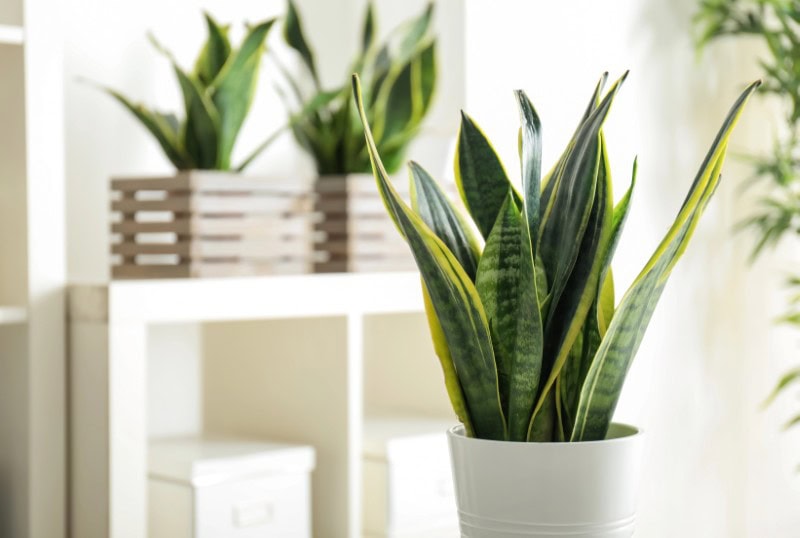
Also known as Sansevieria, the snake plant is practically indestructible. If you have kids, pets, a busy schedule, or simply forget to water things sometimes, this plant is your friend.
Why it works in low light:
- It tolerates dim rooms extremely well
- It stores water in its thick leaves
- It handles inconsistent watering
Bonus: It has strong vertical lines that add structure to a room. It looks great in a playroom corner or beside a couch that needs a little life.
Care tip: Let the soil dry out completely between waterings. Overwatering is the only thing that usually harms this plant.
ZZ Plant
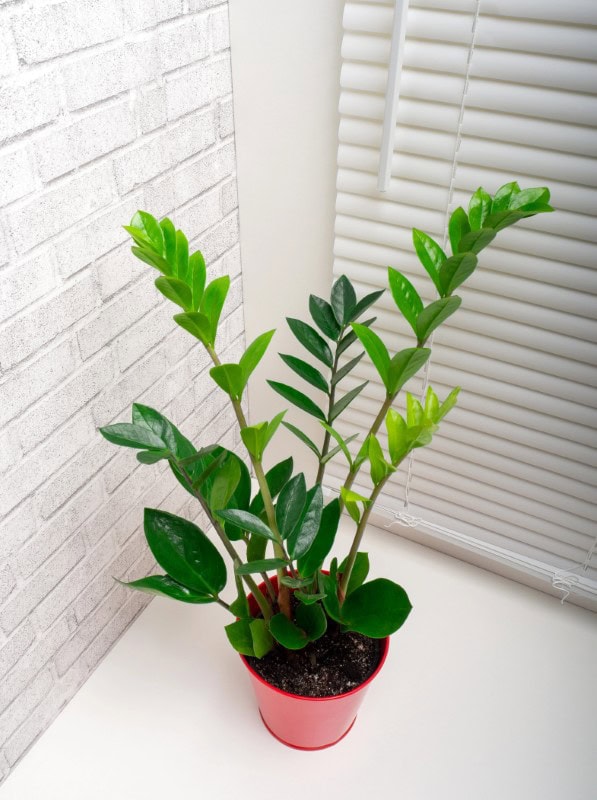
The ZZ plant, otherwise known as Zanzibar Gem or the Eternity Plant (scientific is Zamioculcas Zamiifolia), has glossy, dark green leaves that almost look fake. That shine isn’t just pretty though, it also helps the plant tolerate lower light levels!
Why parents love it:
- It handles neglect like a champ
- It thrives in offices and darker bedrooms
- It doesn’t droop dramatically if you forget it for a week
The roots store water in thick rhizomes, so it’s very drought tolerant.
Care tip: Water sparingly and make sure it has drainage. It’s much happier a little dry than too wet.
Pothos
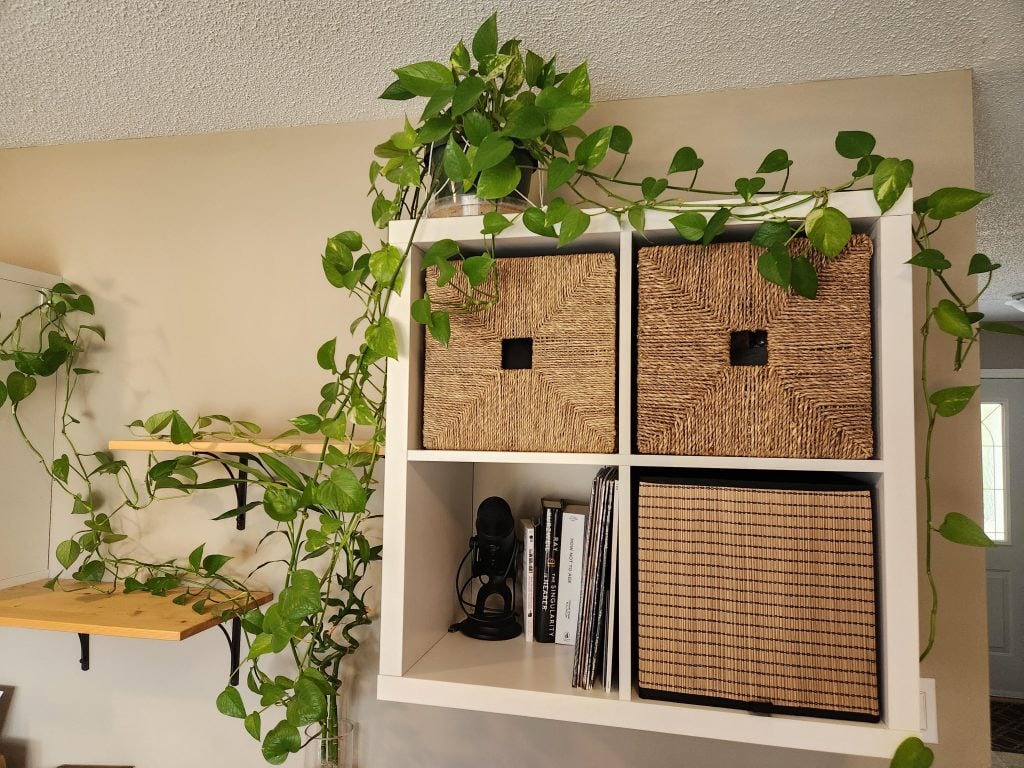
Pothos is one of the most versatile houseplants you can own. It trails beautifully from shelves, hangs in baskets, and can even climb with support. We have a few that probably need some trimming but they thrive anywhere and aren’t too fussy when it comes to their watering schedule.
Why it’s great for low light:
- It adapts to a range of lighting conditions
- It grows even in rooms that feel slightly dim
- It tells you when it needs water by drooping a bit
If you’re just getting started with plants, Pothos plants builds confidence quickly and look great in hangers.
Care tip: Rotate the plant occasionally so it grows evenly, especially in lower light conditions.
Peace Lily
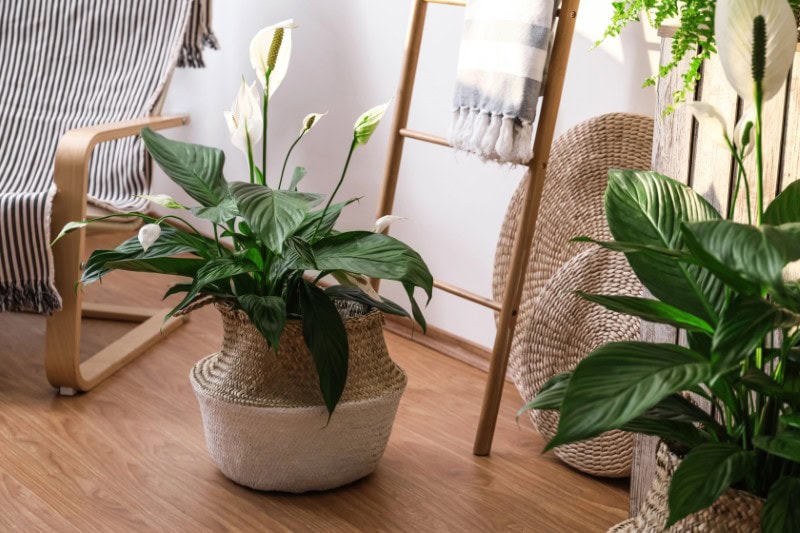
Peace lilies are elegant and surprisingly tolerant of low light. While they bloom more in brighter indirect light, they can still survive and look lush in dimmer rooms.
Why families choose them:
- Deep green leaves brighten a shadowy corner
- They visibly droop when thirsty, which is helpful
- They add softness to a room
Care tip: Keep the soil slightly moist but not soggy. If the leaves droop dramatically, it’s usually just asking for water.
Cast Iron Plant
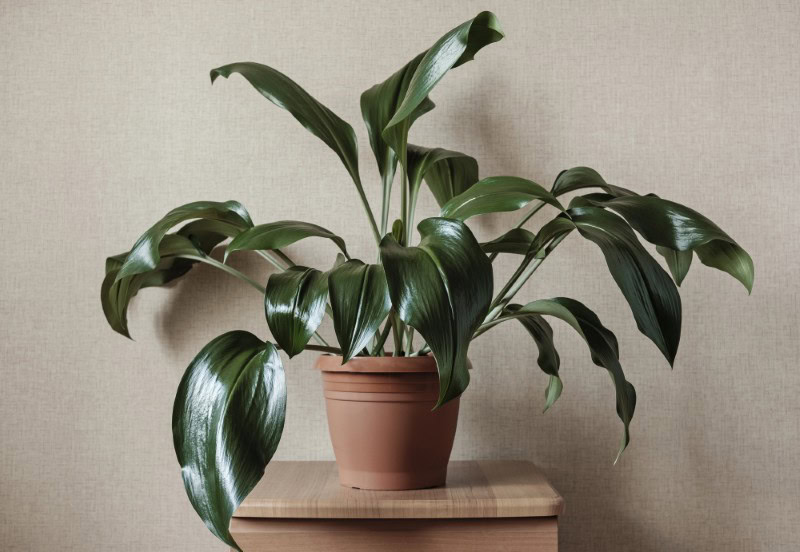
The name says it all. The cast iron plant (Aspidistra elatior) is tough.
This plant has been used in low-light homes for generations because it tolerates dim spaces better than most decorative plants.
Why it’s a hidden gem:
- It tolerates shade extremely well
- It’s slow growing and low maintenance
- It handles temperature changes
It’s a great option for hallways or entryways that don’t get much natural light.
Care tip: Cast Iron plants love a bit of drought. Allow the soil to dry out between waterings and ensure the roots don’t stay wet for prolonged periods.
Chinese Evergreen
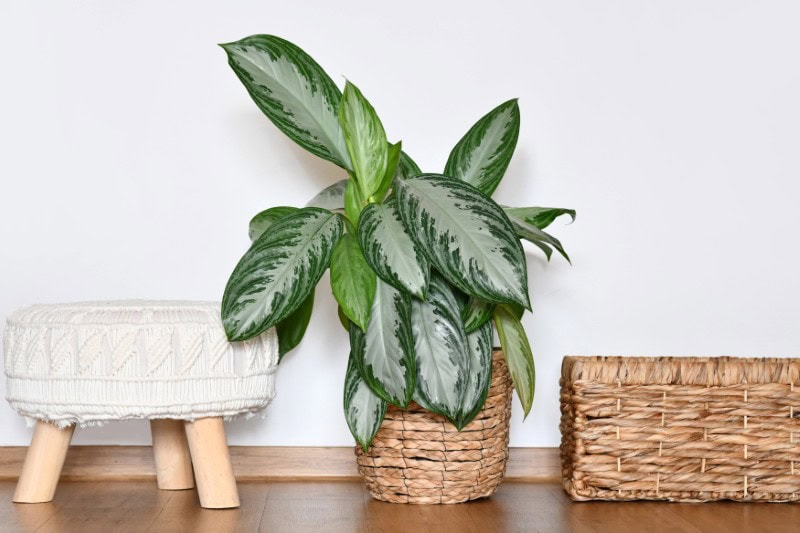
If you want something with a bit more color, Chinese evergreen (Aglaonema) is a beautiful option. Many varieties have silvery or patterned leaves and some feature bright pink or purple edges or centers.
Why it works:
- It thrives in low to moderate light
- It tolerates typical household humidity
- It doesn’t require frequent watering
This plant is ideal for bedrooms or offices where you want something decorative but not fussy.
Care Tip: Allow the top inch of the soil to dry between waterings as it makes it easy to judge when to rewater.
Tips for Success With Low Light Plants
Even the best plants need the right setup. Here’s how to help them thrive.
1. Avoid Overwatering
Low light means slower growth. Slower growth means less water use. Many low-light plant problems come from too much watering, not too little.
Always check the soil before watering.
2. Clean the Leaves
Dust can block light absorption. Wipe leaves gently every month so they can make the most of the light available if you live in a dusty environment.
3. Rotate Occasionally
Even in dim rooms, light usually comes from one direction. Rotating plants helps them grow evenly.
4. Consider Smart Plant Care Options
If you love greenery but struggle to keep plants alive, you might want to explore pots that make watering easy or sensors that monitor soil moisture, temperature and even light in real-time. Other options include self-watering plants or pots with water level indicators.
Where Low Light Plants Work Best in Family Homes
Low-light plants aren’t just for forgotten corners. They’re perfect for:
- Kids’ bedrooms
- Bathrooms with small windows
- Home offices
- Basement rec rooms
- Hallways
- Apartment living rooms
Adding plants to these spaces softens the room, improves the mood, and makes everyday family life feel a little more intentional.
And if you’re parenting, working, cooking, driving to activities, and juggling everything else, choosing resilient plants makes a huge difference. The goal isn’t to create a perfect indoor jungle. It’s to add small touches of life that don’t add stress.
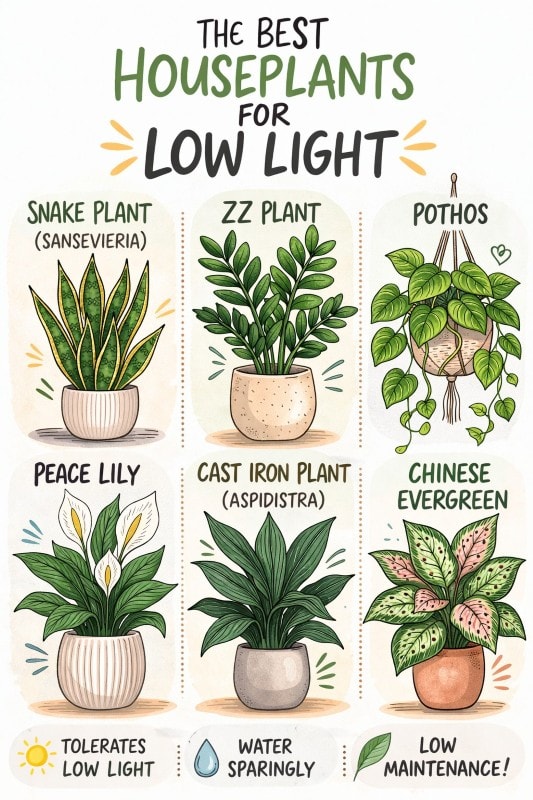
Finding the Best Houseplants for Low Light Homes
You don’t need a bright sunroom to enjoy houseplants. Some of the most beautiful and forgiving plants thrive in lower light conditions.
Start with one or two that fit your space and schedule. Snake plant for structure. Pothos for trailing greenery. ZZ plant for a glossy statement. Cast iron plant for truly dim areas.
Low-light plants prove something reassuring. You don’t need perfect conditions to grow something beautiful. You just need the right fit for your space.
And honestly, that’s kind of true for parenting too.